Flixbaba Alternatives: Streaming Platforms for Movies and TV Shows
By David Alfred
Users search for alternatives to Flixbaba streaming platform for various reasons including temporary availability issues, regional access limitations, specific content preferences, or differences in platform features and performance. The streaming landscape offers numerous options that vary in content libraries, accessibility, and operational models.
Streaming platforms differ significantly in their access models, licensing structures, content scope, and regional availability. Understanding these differences helps viewers identify alternatives that align with their viewing priorities, whether seeking specific genres, language options, or particular access arrangements.
Why People Look for Flixbaba Alternatives
Several factors drive viewers to explore streaming options beyond Flixbaba. These motivations reflect both platform-specific circumstances and individual viewer preferences that vary across different usage contexts.
Common reasons include:
- Temporary downtime or access changes: Periodic unavailability prompts searches for immediately accessible alternatives
- Regional availability differences: Geographic restrictions affect which platforms function reliably in specific locations
- Genre and language preferences: Content library composition varies across platforms, with some specializing in particular categories
- Subscription versus open access models: Preference for free platforms versus paid services influences platform selection
- Streaming stability expectations: Performance consistency and reliability requirements differ among viewers
Types of Streaming Platforms Similar to Flixbaba
Free Ad Supported Streaming Platforms
Free streaming platforms operate through advertisement-supported models, offering content access without subscription fees. Revenue comes from displayed advertisements rather than viewer payments, making content available to users who prefer avoiding monthly charges.
Platforms in this category include YesMovies, Putlocker, Flixtor, Series2Watch, and Flixer, which provide movies and television shows through ad-funded models. These platforms share similarities with Flixbaba in their open access approach, though they differ in content libraries, interface design, and operational stability patterns.
Subscription Based Streaming Services
Subscription platforms operate under licensed content distribution agreements, charging monthly fees in exchange for advertisement-free viewing and exclusive content. These services maintain stable infrastructure and legal licensing arrangements that differ fundamentally from free streaming models.
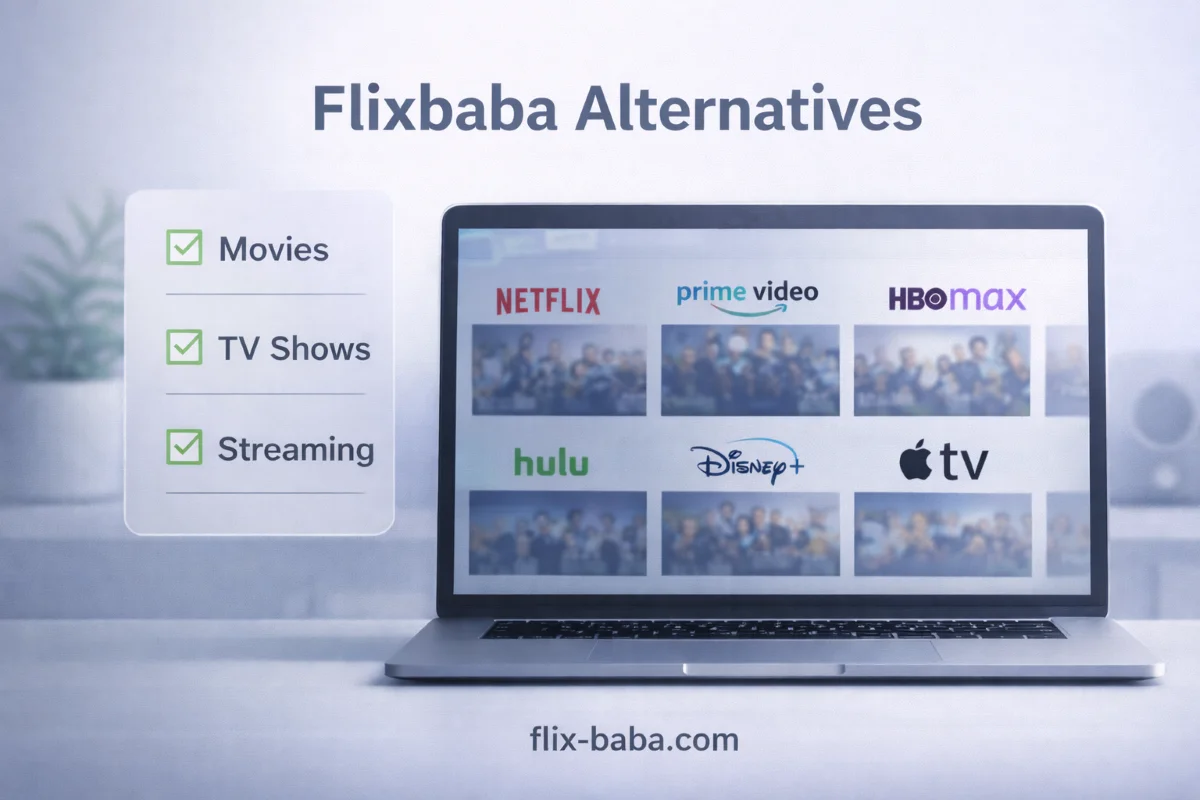
Netflix, Amazon Prime Video, and Disney+ represent well-established subscription services with extensive licensed libraries and original productions. While these platforms require payment, they offer consistent availability, higher streaming quality guarantees, and content exclusivity that free platforms cannot match due to licensing constraints.
Regional and Language Focused Streaming Platforms
Regional streaming services focus on specific geographic markets or language groups, offering content tailored to local preferences and cultural contexts. These platforms often feature regional cinema, local television productions, and content in languages underserved by global streaming services.
Language-focused platforms have grown significantly as streaming infrastructure expands globally. Regional content distribution serves audiences seeking entertainment in their native languages or from specific film industries, filling gaps left by internationally focused streaming services.
Streaming Directories and Aggregators
Directory platforms curate and organize information about multiple streaming services rather than hosting content directly. These sites function as guides, helping users discover where specific content is available across the fragmented streaming landscape.
BestFreeStreaming represents this directory model, listing various free streaming platforms and categorizing them by content type and accessibility features. Aggregators serve as navigation tools for users overwhelmed by the number of available streaming options.
Feature Comparison Table
| Platform Type | Access Model | Content Scope | Registration Requirement | Stability Expectation |
| Free Ad-Supported | Open access with ads | Varies, unlicensed | Usually not required | Variable, subject to changes |
| Subscription Services | Paid monthly access | Licensed libraries | Required | High, consistent infrastructure |
| Regional Platforms | Free or paid | Language/region specific | Varies by service | Moderate to high |
| Streaming Directories | Information aggregation | Links to multiple sources | Not applicable | N/A (directory only) |
Key Factors to Compare Before Choosing an Alternative
Evaluating streaming alternatives requires considering multiple factors that affect viewing experience and content accessibility. These elements vary significantly across different platform types and individual services.
Important comparison factors include:
- Content library depth: Total volume of available movies and shows varies widely
- Genre diversity: Some platforms specialize while others offer broad category coverage
- Language availability: Subtitle and audio language options differ substantially
- Streaming quality: Resolution options and playback stability vary by platform infrastructure
- Device compatibility: Not all platforms function equally across mobile, desktop, and television interfaces
- Regional accessibility: Geographic restrictions limit which services work in specific countries
- Privacy awareness: Data collection practices and browsing visibility differ across services
Understanding these factors helps match platform capabilities with individual priorities. No single alternative excels across all categories, making informed comparison essential for finding suitable options.
For Hassle-free streaming visit : https://flix-baba.com/
Free Versus Paid Streaming Platforms
Free and paid streaming platforms operate under fundamentally different models that affect content availability, user experience, and operational stability. These differences stem from how each model generates revenue and secures content licensing.
Key distinctions include:
- Licensing structure: Paid services obtain official distribution rights, while free platforms often operate without formal licensing agreements
- Content exclusivity: Subscription services feature original productions and exclusive releases unavailable elsewhere
- Stability expectations: Paid platforms maintain consistent uptime and infrastructure, while free services experience more frequent interruptions
- Advertising presence: Free platforms rely heavily on advertisements for revenue, while paid services offer ad-free or minimal ad experiences
- User experience differences: Subscription services provide cleaner interfaces, better streaming quality, and customer support absent from most free platforms
Choosing between free and paid options involves weighing cost considerations against content access, reliability, and viewing experience preferences. Each model serves different viewer priorities and budget constraints.
Regional Availability and Legal Awareness
Streaming platform accessibility and legality vary significantly across different countries due to regional copyright laws and content licensing frameworks. What functions legally and accessibly in one jurisdiction may face restrictions or legal questions in another.
Important regional considerations include:
- Streaming legality varies by country: Laws governing unauthorized content streaming differ substantially across jurisdictions
- Licensing agreements differ across regions: Content distribution rights are negotiated separately for different geographic markets
- Enforcement standards vary: Some countries actively prosecute streaming-related copyright issues while others have minimal enforcement
- Users are responsible for understanding local regulations: Individual viewers must assess their own legal environment and compliance obligations
Platform availability does not indicate legal status. Viewers should research applicable laws in their location before accessing any streaming service, particularly those operating without clear licensing arrangements.
Final Thoughts
The streaming landscape offers diverse alternatives to Flixbaba, ranging from free ad-supported platforms to premium subscription services and regional content providers. Each option presents different trade-offs in content selection, accessibility, legal standing, and operational stability that align with varying viewer priorities and circumstances.
Informed comparison requires understanding how platforms differ in licensing models, regional availability, content libraries, and reliability expectations. No single alternative serves all viewer needs equally, making it essential to evaluate options based on individual requirements, local regulations, and acceptable compromises between cost, content access, and viewing experience quality.